Safety Tips
Know the Risks. Be Prepared.
Flood Safety
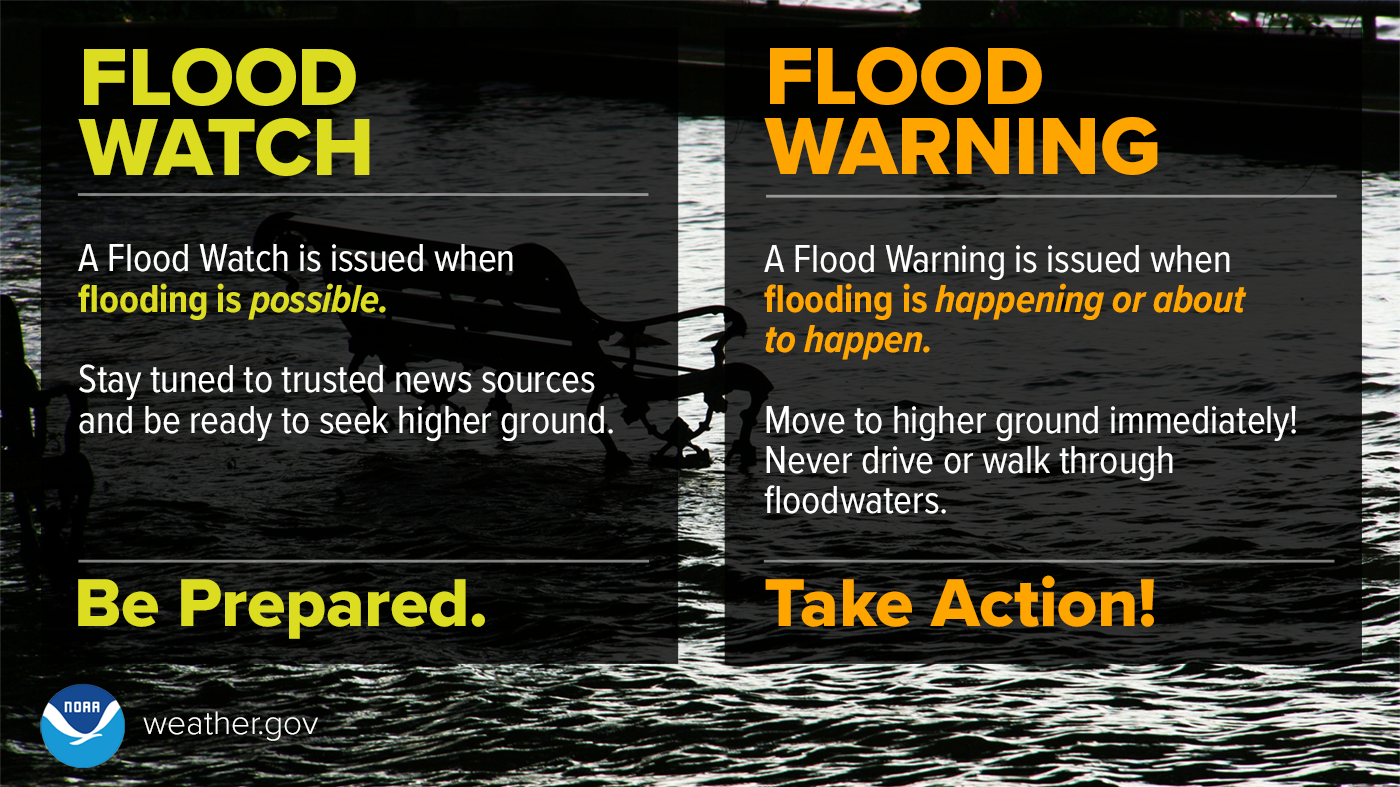
Turn Around, Don't Drown! Flooding can come on quickly and unexpectedly. Preparing today could save you tomorrow.
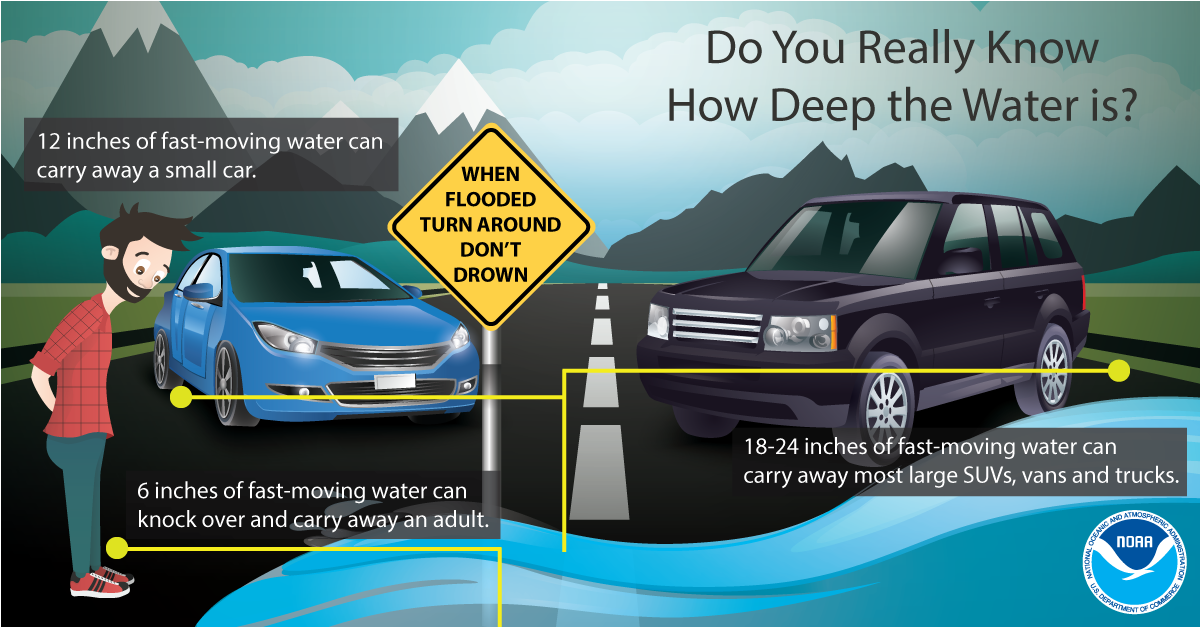
ReadyPA Flood Safety
PEMA Flooding and Floodplain Management
NOAA Flood Types
NWS Flood Safety
Air Quality
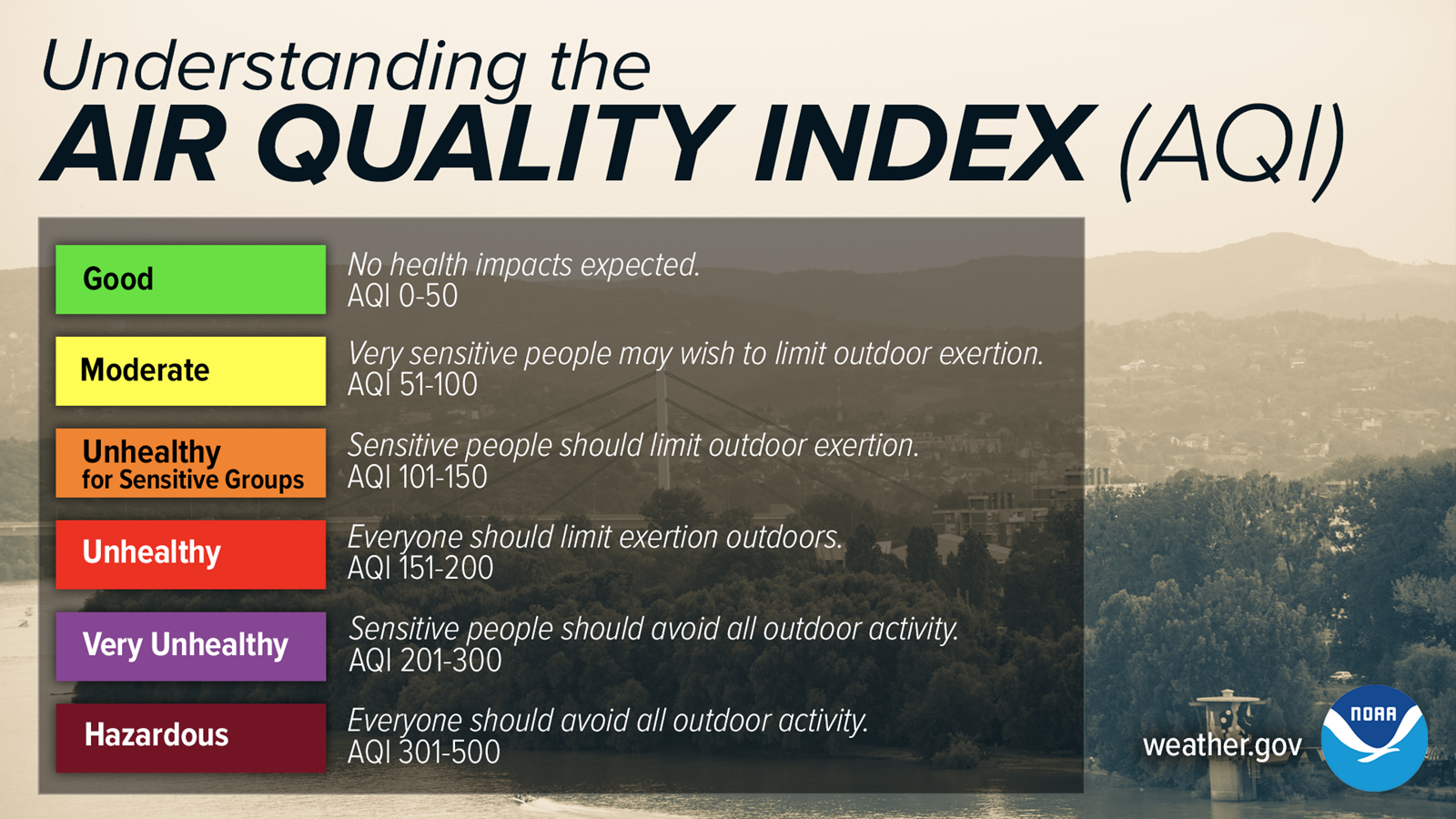
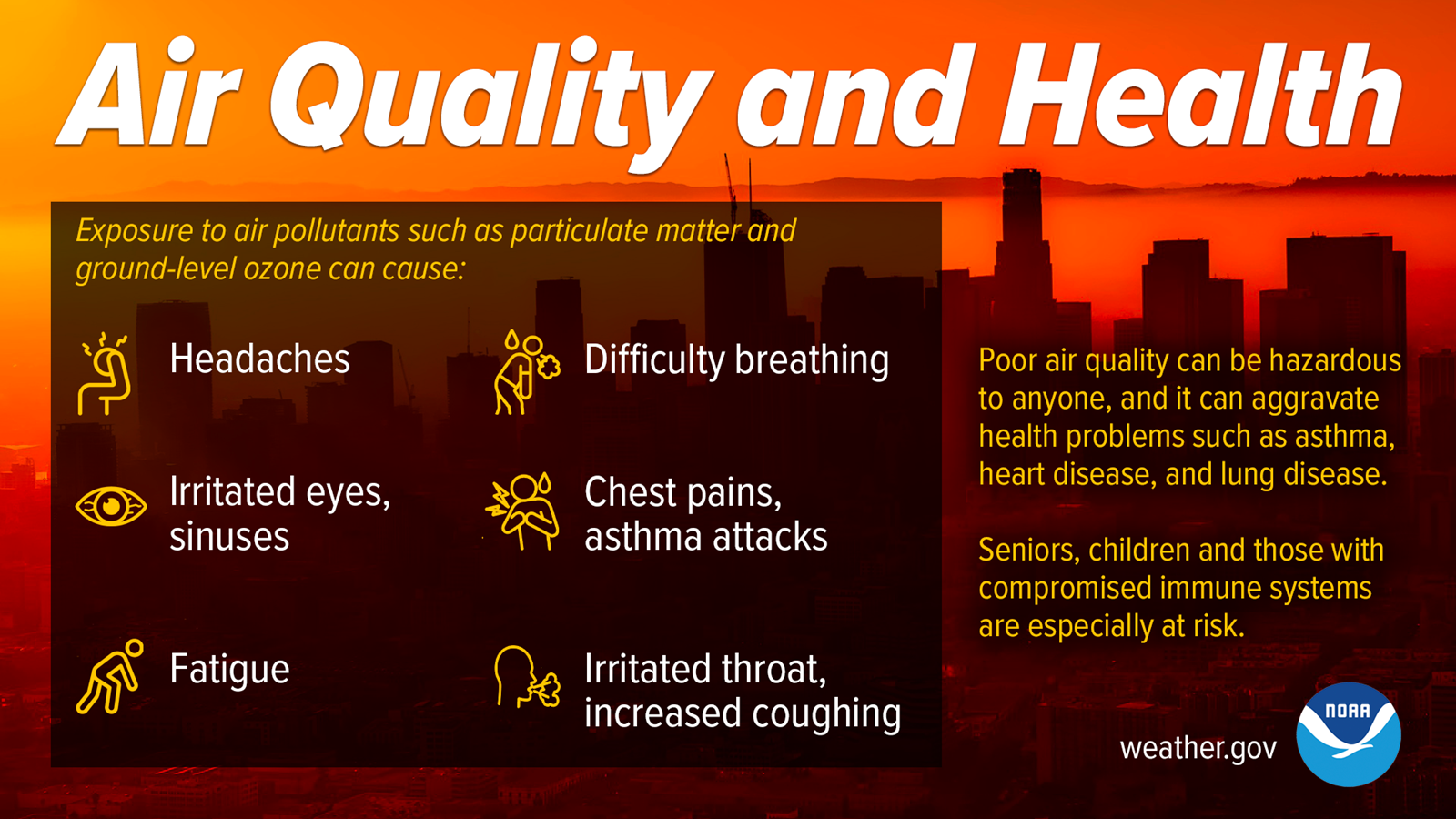
Follow these simple tips to stay safe when there is an air quality alert:
- Stay Informed. Listen to NOAA Weather Radio or your favorite weather news station.
- Stay inside if possible, particularly if you have respiratory concerns or other health problems, are a senior or child.
- If you must go out, try to limit the amount of time you are out to strictly essential activities.
- Minimize your use of items that increase pollution, such as cars, gas powered lawn mowers and other vehicles.
- Do not burn debris or other items during an air quality alert.
🌡️ Extreme Heat
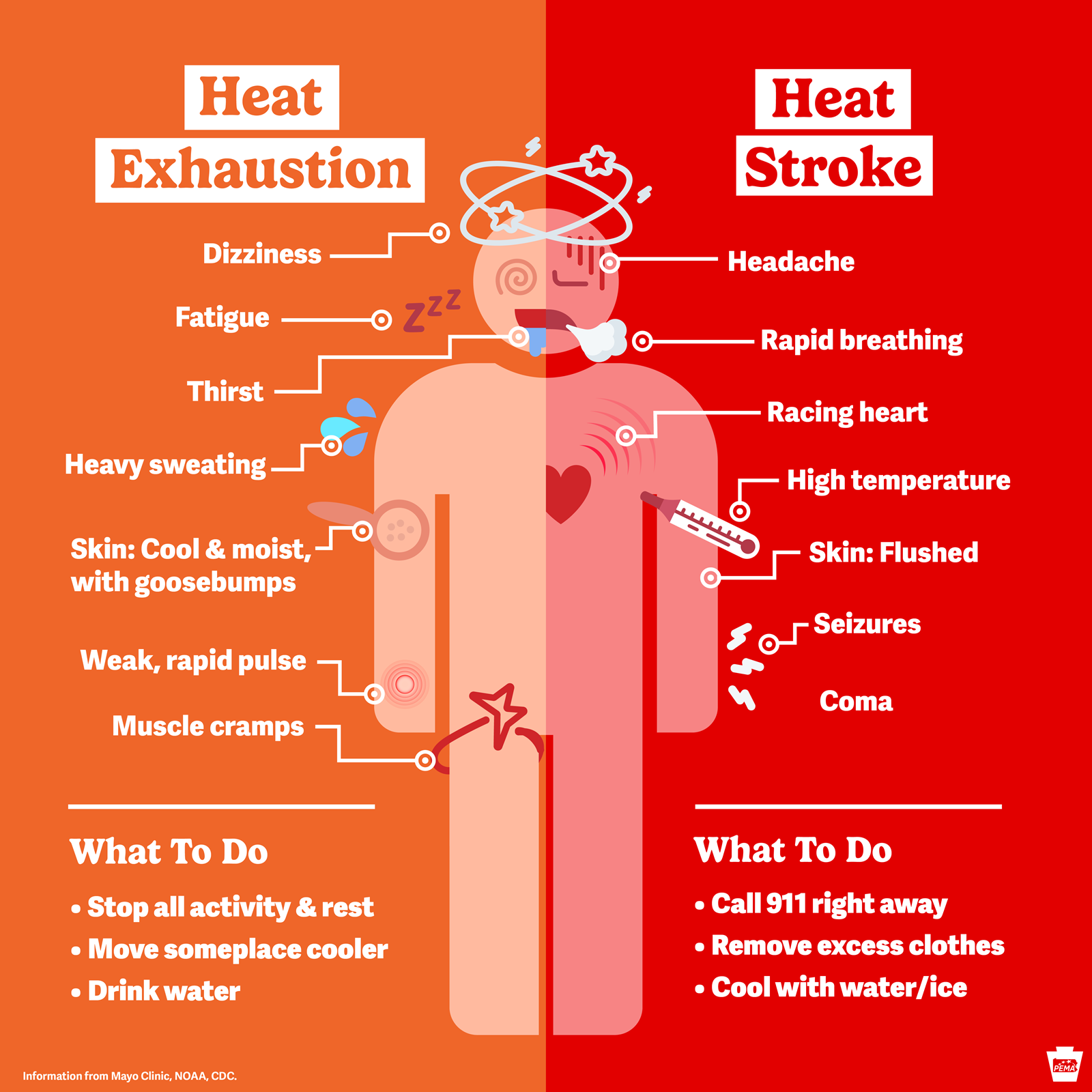
Extreme heat occurs when it’s over 90°F for a few days in a row—with high humidity. Heat waves can affect thousands and are the leading weather-related danger in PA. Watch for signs of heat illness.
- Heat cramps: muscle pain or spasms — stop activity, sip cool drinks.
- Heat exhaustion: heavy sweating, dizziness, nausea — move to A/C, cool down, hydrate.
- Heat stroke is an emergency (103°F+ body temp, red/dry skin, confusion) — call 911, cool immediately.
ReadyPA Extreme Heat
NOAA Heat Illness
NWS Heat Safety
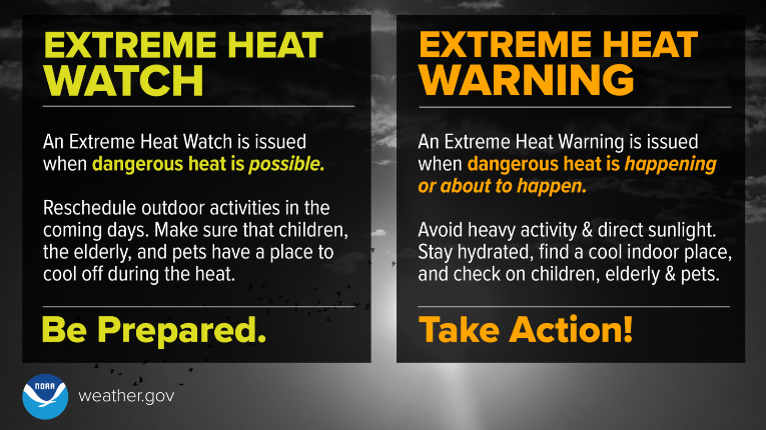
Watch vs. Warning
Severe Storms
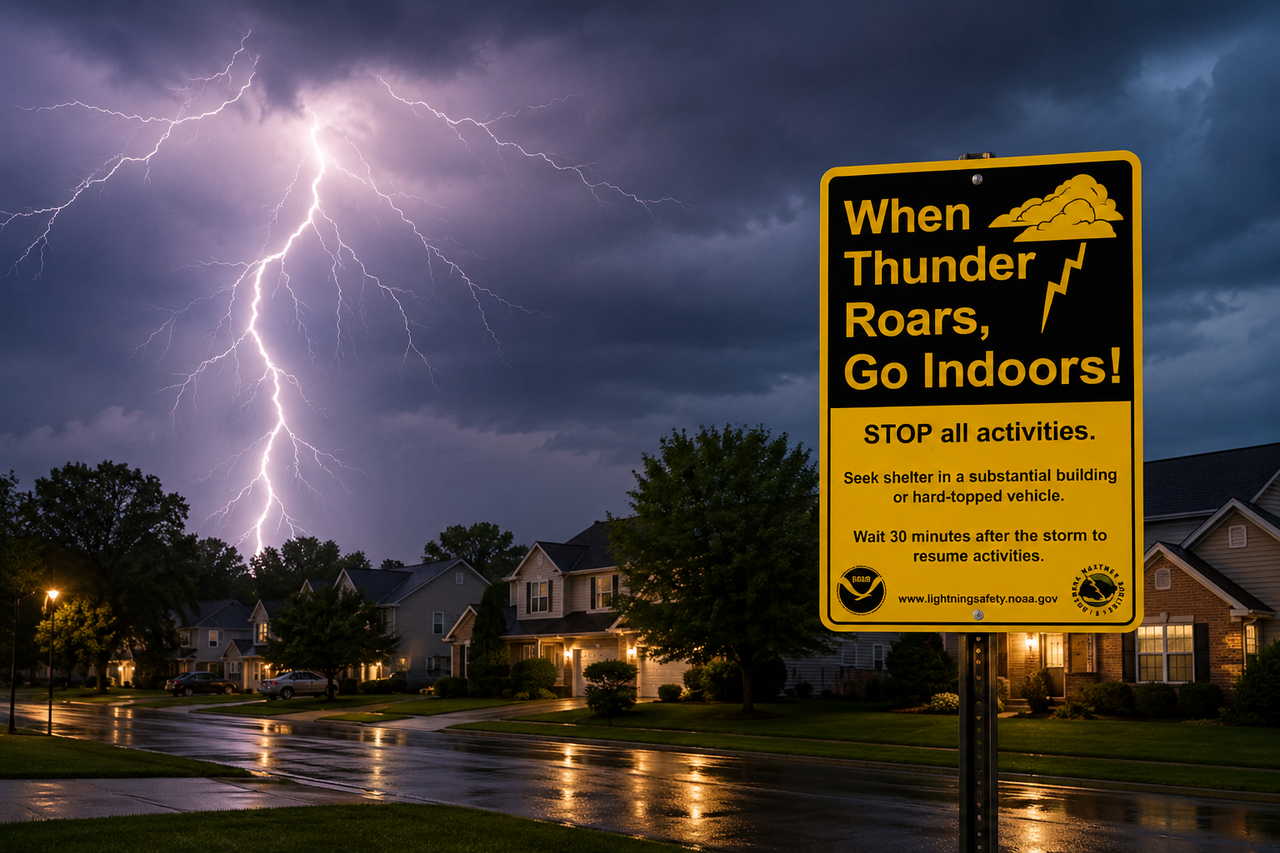
If you can hear thunder, you are close enough to be struck by lightning. The safest place to be is inside a building or a hard-topped vehicle.
Losing power is an inconvenience in some cases, and life-threatening in others. Let's prepare now so you don't have to worry.
ReadyPA Severe Storms
ReadyPA Power Outages
NWS Lightning Safety
NWS Thunderstorm Safety
NWS Tornado Safety
Fireworks Safety
"Fireworks were involved in 13,000 emergency room injuries in 2025, according to the U.S. Consumer Product Safety Commission, with 38 percent of injuries being burns."
Safety starts with preparedness. Staying informed, planning ahead, and taking simple precautions can help reduce risks before emergencies happen. Check this page regularly for seasonal hazards, safety tips, and important updates to help keep you and your family safe.